Space Coast Wind
Coastal wind exposure accelerates screen frame wear, loosens roof flashing, and affects how quickly salt air moves inland from the barrier islands.
REGIONAL HOMEOWNER GUIDE
Practical maintenance guidance for Brevard County homeowners covering mosquitoes, screened lanais, canal lots, salt air, pool systems, storm prep, and Space Coast property conditions.
Brevard County maintenance is shaped by the meeting point of ocean air, river systems, canal neighborhoods, suburban growth, and storm-season exposure. A homeowner in Cocoa Beach, Melbourne, Merritt Island, Viera, or Titusville may use the same service category words as another Florida owner, but the practical concerns are different because wind, salt, water, and screened outdoor space show up constantly.
The focus conditions for this guide are Space Coast wind, canal lots, screened lanais, mosquito pressure, salt air near barrier islands, older coastal construction, sandy loam soil. Those conditions change what homeowners should observe before deciding whether a problem is cosmetic, seasonal, urgent, or worth a professional inspection.
Start with timing. Did the issue appear after heavy rain, a windy front, a long dry spell, irrigation changes, pool service, landscaping, roof work, or a storm watch? Timing narrows the likely cause and helps avoid the common mistake of treating every symptom as a stand-alone repair.
Next, look at location. A problem near a pool cage, canal edge, roof valley, dryer vent, soffit, irrigation head, shaded side yard, or paver joint often tells a more useful story than the symptom by itself. Local guides should help homeowners describe that location clearly.
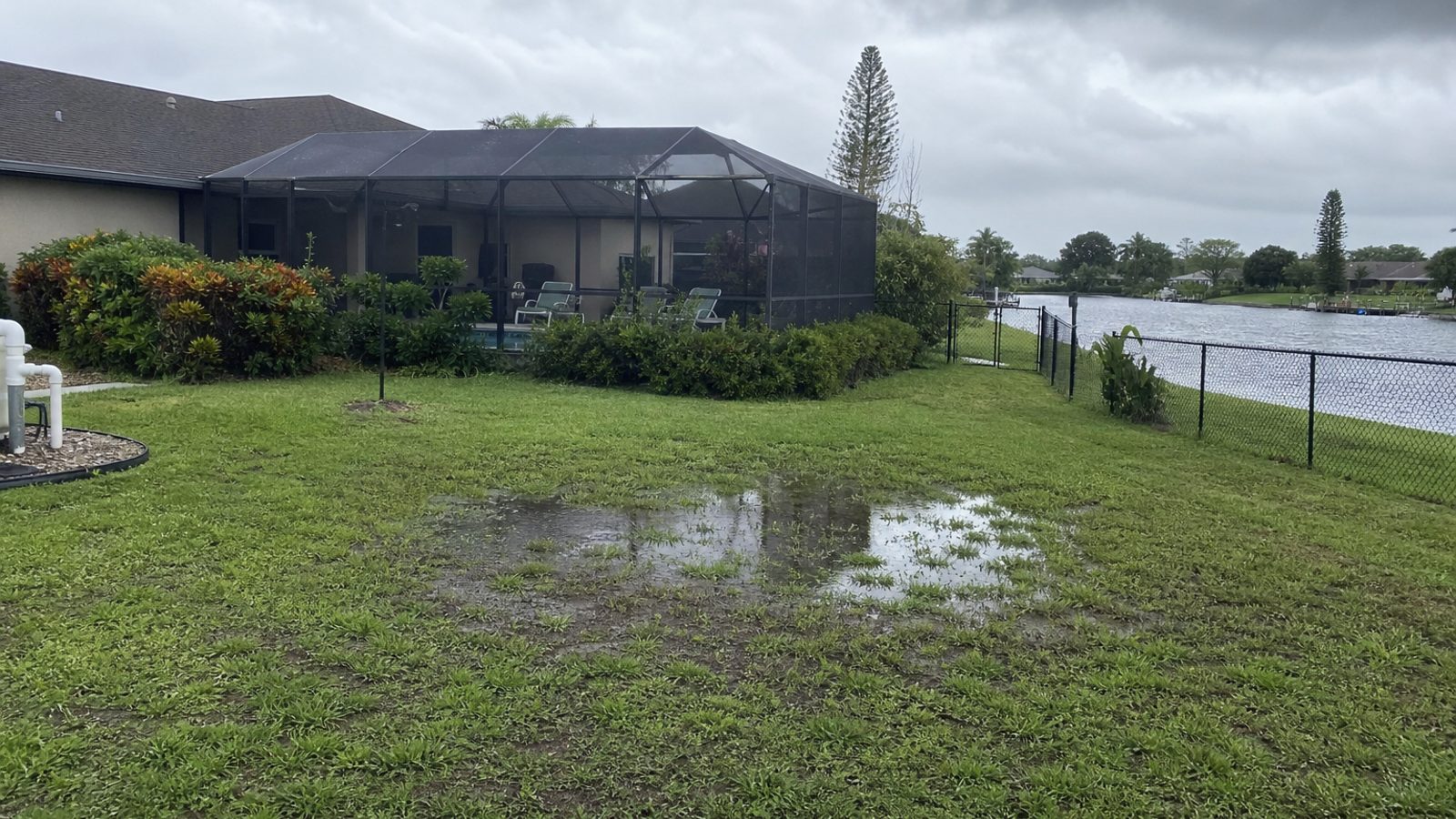
Water patterns deserve special attention. Florida properties can collect water from rainfall, irrigation, pool equipment, gutters, grading, nearby canals, roof runoff, or condensation. The same wet area means different things depending on slope, soil, season, and recent weather.
Outdoor structures are another recurring theme. Screens, lanais, roof edges, soffits, vents, pavers, docks, lifts, fences, and gates are all exposed to heat and moisture. Many maintenance questions start with one panel, one stain, one noise, or one loose piece of hardware, but the useful question is what caused it and whether nearby components show the same pattern.
Pest and wildlife issues also depend on local habitat. Standing water, dense landscaping, canals, oak trees, fruit trees, roof returns, attic openings, and shaded side yards can all change what a homeowner should inspect before calling anyone. A good conversation starts with observations, not guesses.
Cost conversations should stay cautious. Access, height, materials, scope, diagnostic time, safety, HOA rules, and seasonal demand can all move a project from simple to complicated. RoofToSoil avoids exact promises because a guide cannot see the property.
The practical homeowner checklist is simple: note when the symptom appears, photograph the area, write down recent weather or maintenance, check whether the issue is spreading, and avoid making permanent changes before the cause is better understood.
Use the service links below as educational starting points. They explain categories of work without pushing a quote form or pretending there is one universal answer for every property in the region.
Coastal wind exposure accelerates screen frame wear, loosens roof flashing, and affects how quickly salt air moves inland from the barrier islands.
Canal-adjacent properties deal with moisture at the property edge year-round — affecting dock hardware, seawall condition, drainage, and mosquito pressure.
Brevard's outdoor living culture means pool cages and screened lanais are in constant use and constant exposure — spline fails, panels tear, and frames corrode faster near the coast.
The combination of afternoon storms, canal moisture, and sandy soil pockets makes Brevard one of the higher-pressure mosquito markets in Central Florida.
Properties within a few miles of Cocoa Beach, Satellite Beach, and Melbourne Beach experience measurably faster corrosion on hardware, screens, and HVAC equipment.
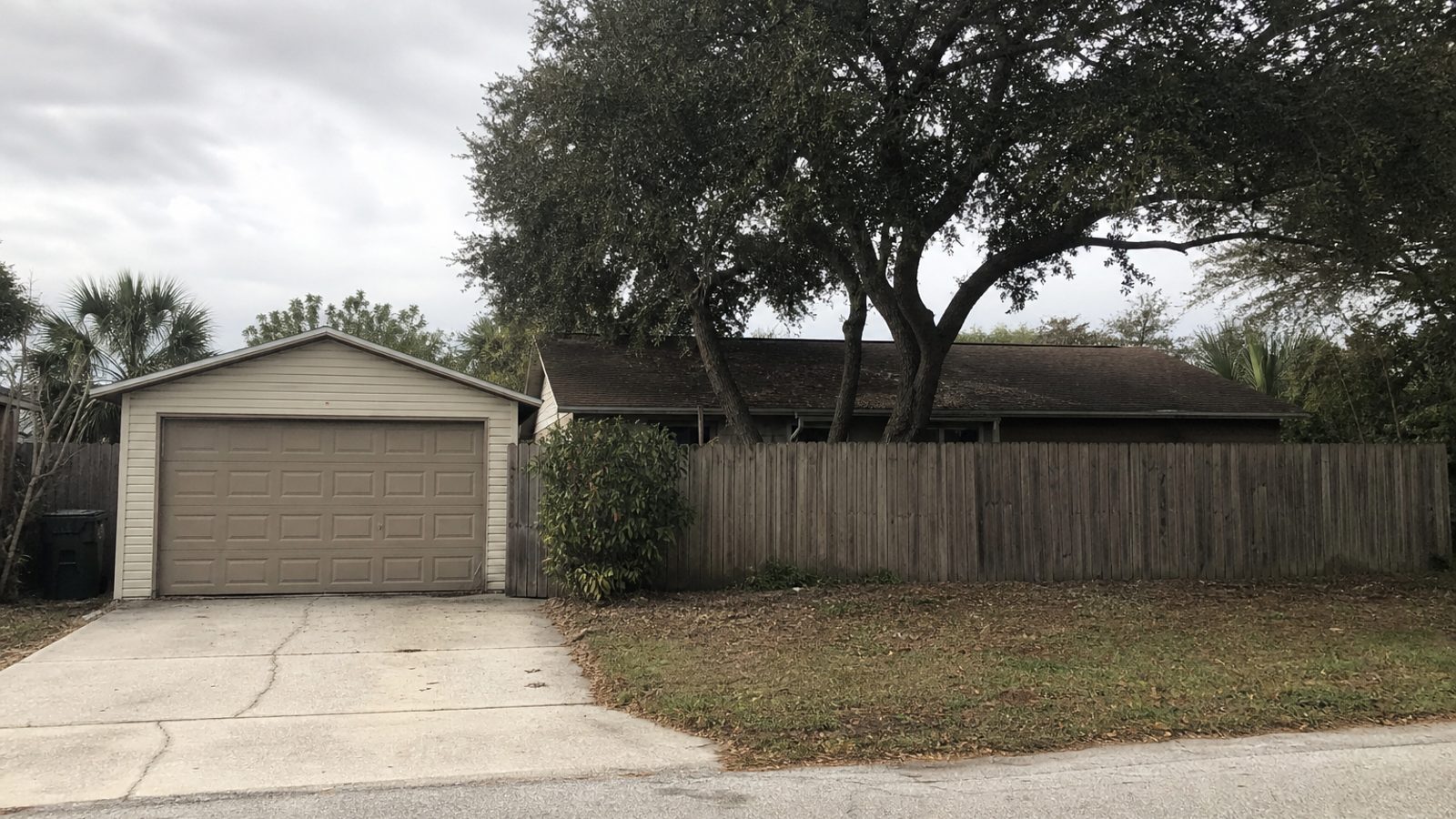
Much of Brevard's coastal housing stock was built in the 1970s–1990s — older roof systems, original pool cages, and aging irrigation infrastructure are common.
Sandy soil drains fast after rain but also shifts and settles — creating drainage inconsistencies, paver movement, and irrigation dead spots.
Regional maintenance gets easier when homeowners keep simple field notes. A useful note includes the symptom, the date, recent weather, where the issue appears, whether it is getting worse, and whether a nearby system might be involved. This is especially helpful in Florida metros where weather, irrigation, pools, screens, pests, and exterior surfaces interact constantly.
For outdoor issues, walk the property after a normal rain and again after a heavy storm. Compare the same areas: gutters, downspouts, low soil, paver edges, screen doors, roof valleys, pool equipment, fence lines, and shaded vegetation. A spot that stays wet longer than the surrounding area deserves attention even if it does not look dramatic yet.
For pest or wildlife concerns, avoid guessing from one clue. Look for timing, direction, entry points, droppings, nesting material, standing water, food sources, and how close vegetation sits to the structure. The more precise the observation, the easier it is to understand what kind of professional question to ask.
For exterior surfaces, remember that appearance is not always urgency. Algae, stains, corrosion, torn screens, loose pavers, and worn seals can be cosmetic, preventive, or symptomatic depending on location and pattern. Good guides help homeowners sort those differences without panic or sales pressure.
Before taking action, write down the symptom in one sentence, then add the condition around it. Note the weather, water exposure, shade, recent maintenance, age of nearby materials, and whether the symptom is new, recurring, or spreading. This simple record is often more useful than a long description written later from memory.
Next, decide whether the issue is cosmetic, preventive, functional, or safety-related. Cosmetic issues still matter when they point to moisture or material wear, but they usually allow more time for observation. Functional or safety-related symptoms deserve faster professional attention and should not be handled through a generic internet checklist alone.
Finally, avoid false certainty. A guide can help you understand the categories and ask better questions, but the property itself still decides the answer. Access, construction details, hidden water paths, soil behavior, roof geometry, pest entry points, equipment condition, and local code or HOA rules can all change the recommendation.
FIELD CONTEXT
Visual examples help connect the guide text to the kinds of property conditions homeowners may be documenting.